All about fitness!

If you're interested in fitness, bodybuilding, loosing weight, wanting to be fit, or just interested in fitness! You came to the right place! Stay in touch with all the latest news! Check out the Blog Archive! :)

Saturday, April 21, 2007

The Best Muscle Building Exercises For Each Bodypart (Part 1 of 10)

Exercise Selection - Compound vs. Isolation Exercises

Compound exercises work multiple muscles across more then one joint. Bench press, dips, and squats are examples of compound exercises. Isolation exercises work fewer muscles across a single joint. Dumbbell flyes, pec deck, and leg extensions are examples of isolation exercises.

Some people believe that in order to target a certain muscle you should use more isolation exercises and thus develop that muscle more efficiently. However, this is not the best approach. Isolation exercises that work the muscles across a single joint are not the most effective way to build muscle. Compound exercises are far more effective in building muscle because they incorporate the use of several muscle groups, allow for a heavier training load, and work more muscle mass in the same amount of time.

Let's look at the squat. It is a compound exercise. It works the quadriceps, hamstrings, gluteus, lower back, abdominals, hips, and abductors. Squats allow for heavy weights to be lifted. This makes the squat an incredibly effective muscle building exercise. Compared to an isolation exercise such as the leg extension, which only focuses on the quadriceps. From this simple example you can clearly see how much more productive compound exercises are for building muscle.

Free Weights VS. Machines

Free weight exercises are more effective for building muscle then machine exercises. Machines make the exercises easier to perform. You do not have to balance the weight with machine exercises because the machine balances the weight for you. You will get less muscle stimulation from machine exercises because they do not require the same concentration or effort as free weight exercises. Free weights have a greater ability to involve stabilizer muscles than machines. Free weights put you in a natural, 3 dimensional environment for exercise.

The majority of your exercises should be compound free weight exercises. This does not mean that you should avoid machine exercises or isolation exercises. They are easy to learn and there is a low risk of injury, which is great for people who are just starting out or for rehabilitation purposes. And there are some good machine exercises that cannot be duplicated with free weights such as various cable pulley exercises. However, the majority of lifters should always base their workouts around compound, free weight exercises and supplement their workouts with machine and isolation exercises.

The Bikini Workout

The Bikini Workout

Get Beach-Ready with 10 Exercises
-- By Nicole Nichols, Personal Trainer

Summer is just around the corner, and while it’s synonymous with relaxation and fun, for most people, it’s another source of stress! Short shorts, arm-baring tops, and the dreaded beachwear come to mind for most. And if you’ve still got a few—or many—pounds to lose you’re probably not as excited for the season.

But don’t worry! There is still plenty of time to shed a few more pounds before you go shopping for your bathing suit. If you’ve read "The Bikini Diet" you are probably ready (and determined) to drop the extra pounds and have fun doing it. But, by combining the diet with a new exercise program that will rev your metabolism and keep your energy high, you’ll see even better results!

Changing up your workout routine regularly (usually every 4-6 weeks) is the best way to prevent a weight loss plateau from ever occurring in the first place. So if you’ve been doing the same old fitness program for a while now, The Bikini Workout is a great way to change up your stagnant routine. Always remember to warm up and cool down properly each time you work out.

Strength Program

Strength training is essential for losing weight and staying fit. It helps you build lean muscle, which boosts your metabolism, plus it tones up those problem areas. For each muscle group listed below, select one exercise for a total of 10 exercises. Do 3 sets, with enough reps to make you feel exhausted at the end of each set (usually 10-15 depending on the resistance you use).

Repeat this workout 2-3 times each week (be sure to rest 1-2 days in between). For extra calorie burn, work in a "circuit," moving quickly from one exercise to the next in order to keep your heart rate elevated. Change up the individual exercises daily or weekly for best results.


Muscle Group
Beginner
Intermediate
Advanced
Abs Crunches Straight Leg Raises Kneeling Roll Out
Obliques Crunches with Twist Bicycle Crunches V-Sit & Twist
Lower Back Back Extension Swimming Back Extensions with Swiss Ball
Biceps Concentration Curls Alternating Biceps Curls One-Arm Side Push Up
Triceps Seated Tricep Extension Skull Crushers Dips
Shoulders Upright Rows Shoulder Press on Ball Lateral Raises
Back Boxer Seated Rows Reverse Flys on Ball
Chest Chest Press Push Ups Chest Flys on Ball
Thighs Forward Lunge Wall Squat with Ball Single Leg Squat
Hips Bridge Ups Skater Squat Genie Sit

Cardio Program

When it comes to weight loss, increasing the duration of your workouts can help you see results faster. The good thing is that all of that cardio doesn’t have to happen in one long session. Adding up several shorter segments throughout the day results in the same benefits, so find time wherever you can—during your lunch break, after dinner, or while watching TV.

Try to accumulate 45 minutes a day, 3-4 days a week (or more if you’re an exercise veteran). Select from any of the workout options below, and try to do something different each day.
  • Find a hilly area to walk outside (or increase the incline of your treadmill between 4% and 10% depending on your current fitness level). Walking uphill tones the leg and butt muscles and burns more calories than walking on a flat surface.
  • Try interval training outdoors. Run or jog one block as fast as you can, then do a recovery walk for the next block, and continue this pattern.
  • Take your dog for a walk, or play tag with him at the park.
  • Jump rope! Start with short 30-60 second intervals until you can increase your endurance. Jumping rope intensely for 10 minutes has about the same calorie burn as jogging for 30 minutes.
  • On those cardio machines, increase the workload (level, incline, speed) to burn more calories in less time.
  • Go on a bike ride with your family.
  • Clean the house in record time. Heavy cleaning can elevate your heart rate to an aerobic level. Make as many trips up and down those stairs as you can, and try to rest as little as possible to stay in the aerobic zone. The same goes for yard work.
  • Try a new group fitness class such as kickboxing, spinning, or salsa dance!

Healthy Snacks!

Research actually shows that snacking in between meals, or even eating 4-5 smaller meals throughout the day, is better for you than the traditional two or three larger meal routine. That is, of course, if you are eating nutritious snacks instead of the all-too-popular vending machine potato chips and soda, which many of us are drawn to.

So really, it’s a matter of making good snack choices when it’s time for a food break. Power foods are always a good bet, because they usually combine high nutrients and lower calories. These could be anything from grains to dairy to fruits and vegetables.

Healthy snack choices start at the grocery store. That’s where the decision is made to eat healthy snacks – not at the office or on the coach, but at the grocery.

You still want to watch how much of these healthy snacks you eat. This is a snack, remember, not a meal. So buy, cut up or make single servings of any snack food you can. Here are some healthy snack ideas to consider next time you head to the grocery.

Healthy Snack Ideas

* Yogurt
* Fruit cup
* Apple
* Banana
* Pear
* Peach
* Grapes
* Plum
* Orange
* Berries
* Watermelon
* Raisins
* Carrots
* Celery
* Broccoli
* Mixed nuts
* Tomato
* Chicken noodle soup
* Cauliflower

* Green or red peppers
* Peanut butter crackers
* Nuts
* Whole wheat cereal with skim milk
* Trail mix
* Oatmeal
* Whole wheat bagel or toast
* Pure bran muffins
* Fruit smoothie
* Spinach
* Sweet potato
* Broth-based vegetable soup
* Skim and low-fat milk
* Bean soup

Friday, April 20, 2007

6 Dietary Steps to a Summer 6-Pack!

The winter months are almost upon us and it is time to shed the winter coat and show off that summer six pack like a diva parading her new poodle. Unfortunately, following countless of hour's spent on abdominal excises you find that you are still holding enough insulation to live through another winter with Alaskan penguins.

If you are not a slouch when it comes to aerobic exercise and a Spartan warrior in terms of abdominal obliterating, I can guarantee that your diet is spelt out by a dyslexic once interpreted.


Step 1:
Differentiate Healthy Eating & Healthy "Fat Loss" Eating.

    A common misconception amongst dieters is distinguishing the difference between healthy eating and healthy "fat loss" eating. Agreed, many antioxidant fruits and free radical fighting vegetables are beneficial to the human body but in most case their calorific values spill over the restrictions that should be in place for a fat burning environment.

    diet
    Click Image To Enlarge.
    A Specific Type Of Diet Is Required
    For A Fat Burning Environment.

    Calorie dense carbohydrate vegetables such as yams and potatoes should be restricted to the earlier portion of the day so you have adequate time to burn off the energy that is stored in these foods. For obvious reasons if these calories aren't utilized through physical movement you can bet your bottom dollar that the insulation covering those asphyxiated abs will get even thicker than Joe Weider's wallet.

    Fat Loss Diets:


Step 2:
Keep Clear Of Anything That Ends With "ose".

    "An apple a day keeps the dentist/doctor away" are words that have been echoed for years by health conscious parents trying to educate children that fruit is good for our bodies.

    This bears true for the most part but the fructose found in fruits is an insulin spiking ingredients which bear the similar consequences of eating table sugar - you can get fat. Sucrose (table sugar), Lactose (sugar found in milk) and fructose (sugar found in fruit) are all adversary's that should be eradicated from the fat loss battle field to be victorious of soldier worthy six packs.

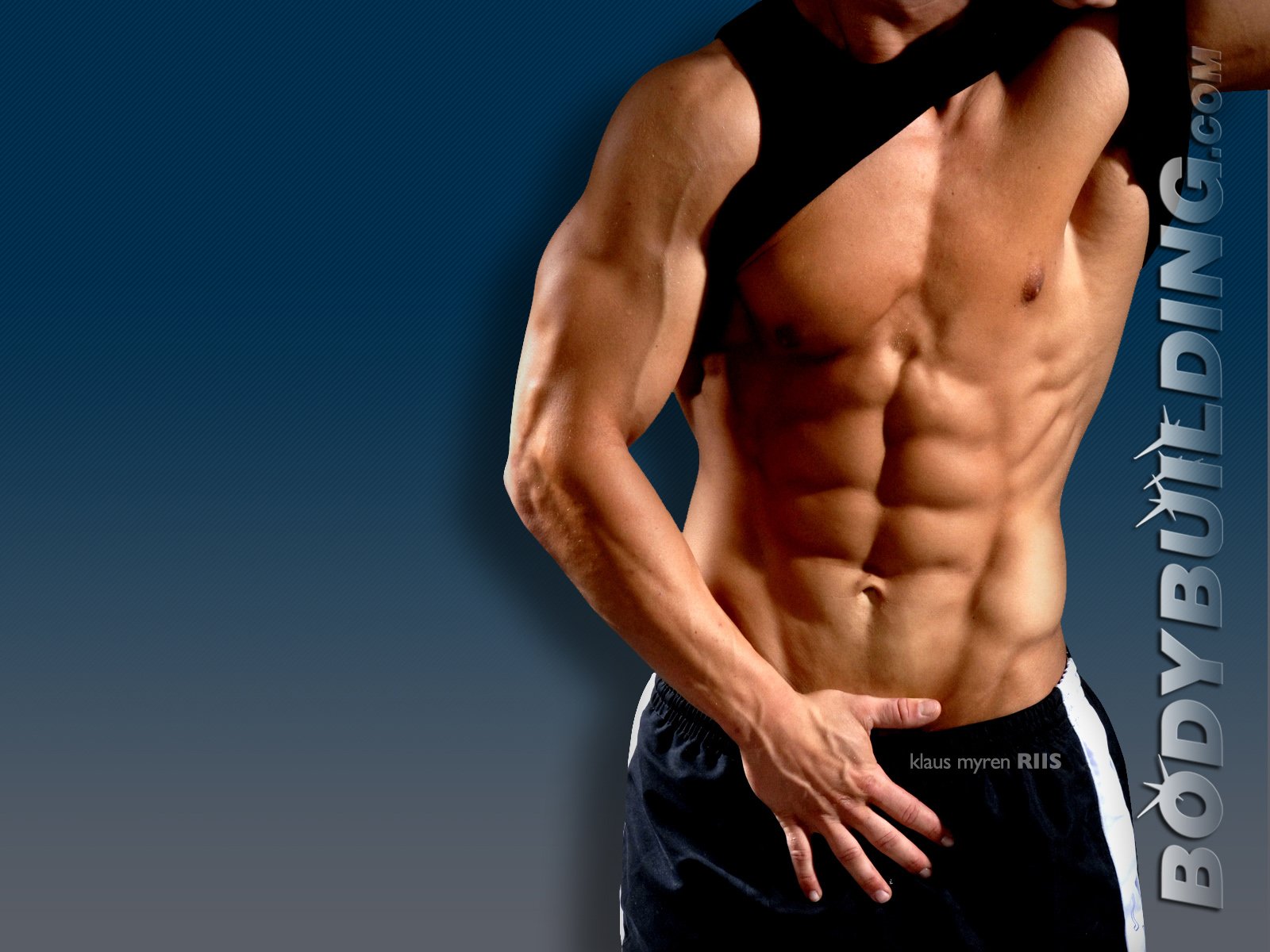
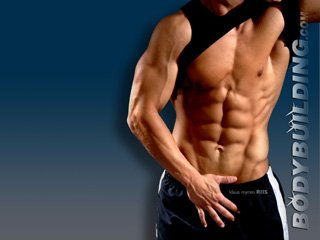
Shredded Abs
Soldier Worthy Six Pack
Danish Teen, Klaus Myren Riis.
Photo By Per Bach.
Week #26 - 9/05/2006
1600x1200 - 1280x1024 - 1152x864 - 1024x768 - 800x600
480x640 - 320x240 - 240x320 - 160x160 - 160x120 - 128x128


    All foods contaminated with these sugars are shuttled into the blood stream at such a rate that they excessively spill over into the fat stores waiting to be burnt if by its master. If you are such an individual that already has enough fat deposits to mask your hard earned muscle, then why add more ammunition against your cause.

RELATED ARTICLE
Sugar Substitutes - A Review! Sugar Substitutes - A Review!
In this article I will review the research on the new and old artificial sweeteners. As well I will look at who should avoid certain sweeteners and how we can all benefit by using sweeteners in everyday life.
[ Click here to learn more. ]


Step 3:
Eat Heartily Whilst Accumulating Less Calories.

    A pizza and coke can add up to the whole daily requirement of calories in one sitting, now if you tried to splurge on the equal amount of calories by eating chicken and salad you may feel as sick as a bulimic sufferer after consuming a double Big Mac meal, therefore with these kind of healthy food options you can eat heartedly my friends.

diet
Click Image To Enlarge.
Eat Heartily.

    Every time the body is stressed with the burden of digesting food the core temperature raises mimicking a thermogenic effect. Much like a kettle element heating up, this requires energy or in our case - calories.

    In essence, every time we eat we are burning fat so it makes sense for us to eat small, low calorie foods at frequent intervals to provide an environment where the body can burn fat much more efficiently.

Less Calories In + More Calories Burned = Fat Loss


Step 4:
Eat Right For Your Type.

    Various foods can affect the body differently for various blood types so I recommend eating right for you type. Some foods can prove as beneficial, neutral or high on the avoid list so I would suggest purchasing the book "eat right for you type" and incorporate some of the beneficial and neutral foods whilst eradicating the "avoid" nutrients.

    I have trained many clients that are almost in contest condition for a bodybuilding show only they are covered in thin layer of fat and/or water and as soon as I exchanged chicken for fish - e.g. b blood type, the striations that were there all along started to reveal themselves. Try this for several weeks and you may be surprised on your positive mental and physical transformation.

    Relationships Between Blood Types:

Blood TypeCan Donate Blood ToCan Receive Blood From
A A, AB A, O
B B, AB B, O
AB AB AB, O
O A, B, AB, O O


Step 5:
Eat Fat To Lose Fat.

    The speed in which the body digests food can result in an insulin spike and an overload of calories to be transported into fat. The correct fats have a role that can prove very beneficial to the dieter if consumed in the right amount at the right time and for this purpose I recommend Flaxseed oil.

RELATED ARTICLE
Good And Bad Fats! Good And Bad Fats!
Body fat usually results from an inadequate diet and is comprised of carbohydrates and unhealthy fats. Get facts about the good and bad fats, their effects on the body, and tips to keep body fat in check.
[ Click here to learn more. ]

    Flaxseed oil taken with carbohydrates can slow down the digestion of these calories entering the blood stream thus minimizing the risk of fat inducing insulin spikes. One teaspoon is recommended for an individual that is under 20% body fat whilst ½ spoon is advised for people who are over this amount.

    This can be added to meals as a dressing or can be added to your favorite protein shakes. When purchasing Flaxseed oil, be sure to choose one that requires refrigeration and is packaged in a dark bottle to prevent light damage.


Step 6:
Glycemic Index.

    The Glycemic Index is the chart that measures the rate a calorie is released into the body. This should also be adhered to in order to minimize the possibility of an unwanted insulin spike. Carbohydrates are the nutrients that should be chosen carefully from the Index chart below in order to fully benefit from the foods that can assist you with your weight loss potential.

Desirable Foods Moderately Desirable Less Desirable Foods

Breads:
Coarse European -Style, Whole Grain wheat or Rye Pita Bread, Cracked or Sprouted Whole wheat

Cereals:
Compact noodle-like high bran cereals (All-Bran, Fiber One) Coarse Oatmeal, Porridge, Coarse Whole Grain (Kashi) Cereal mixed with Psyllium (Fiberwise)

Pasta, Grains and Starchy Vegetables:
Pasta (all types) Barley, Bulgur, Buckwheat (kasha) Couscous, Kidney Beans dry, (Lentils, Black-eyed peas, Chick-peas Kidney beans, Lima beans, Peas, Sweet Potato, Yam (soybeans lowest) Most Vegetables.

Milk Products:
Skim, 1%, cottage cheese, (lowfat or regular), Buttermilk, Low-fat plain yogurt, Low-fat fruited yogurt, Low-fat frozen yogurt ( artificial sweetener)

Meats:
Shellfish, "white" fish (cod, flounder, trout, tuna in water), Chicken, turkey, Cornish hen, venison (white meat no skin), Egg substitutes (cholesterol free) cottage cheese

Breads:
100% Stone Ground whole Wheat, Pumpernickel, 100% whole grain Rye Crisp Cracker

Cereals:
Grape-nut cereal, medium-fine grain oatmeal, (5-minute variety)

Pasta, Grains and Starchy Vegetables:
Rice, Boiled Potato, Corn Navy beans, Kidney beans (canned), Baked beans. Beets.

Milk Products:
2% milk, cheese, Regular plain yogurt

Fruit:
Banana, Kiwi, Mango, papaya, orange juice.

Meats:
Higher fat fish, (salmon, herring, lean cuts of Beef, Pork, Veal. Low-fat imitation luncheon meat, low-fat. cheese, Eggs.

Breads:
White bread, most commercial whole wheat breads, English muffins, bagel, French bread, most commercial matzoh

Cereals:
Corn flakes, puffed rice, puffed wheat, flaked cereals, instant "Quick" or pre-cooked cereals. Oatbran, rolled oats. Shredded wheat, Muesli.

Pasta, Grains and Starchy Vegetables:
Instant rice, Brown rice, instant precooked grains, Baked potato, micro-waved potato, instant potato, Winter squash (acorn, butternut), carrots, parsnips.

Milk Products:
Whole milk, ice milk, ice cream, Yogurt sweetened with sugar, Low-fat frozen desserts with sugar added, Low-fat and regular frozen yogurt with sugar added. Tofu ice cream.

Fruit:
Pineapple, raisins, watermelon, fruit juices sweetened with sugar.

Meats:
Most cuts of beef, pork, lamb, hot dogs (including "low-fat' versions) cheese, luncheon meats, peanut


Conclusion

If you combine the six step ingredients that I have listed above and providing that the correct exercise program is in place, there is no reason that you can't concoct a fat free physical appearance this summer worthy to show off your efforts and discipline. Remember, the world is full of excuses, you just need to exchange them all for the only ones advised in bodybuilding.com. Good luck!


kj_gethin@yahoo.com

Thursday, April 19, 2007

Is it true that lifting weights causes women to bulk up?

Question: Is it true that lifting weights causes women to bulk up?

Expert Answer: While on a weight lifting program, the right hormones (testosterone) are necessary in order to bulk up. Women's testosterone levels are much lower than men's, so in most cases, they are not capable of building large muscles. In fact, since muscle takes up less room than fat, women tend to lose inches when they strength train. So in addition to the physical benefits (increased metabolism, decreased risk of osteoporosis, increased strength), strength training will help you slim down too! Women, in fact, are more likely to tone up from strength training rather than bulk up. Research shows that women can add up to 30% lean muscle and end up looking thinner, feeling stronger and being firmer.

Our society and pop culture seem to associate weight training with oversized muscles, but that's just one avenue, which is extremely difficult for most people (including men) to achieve.

Women with an intense fear of becoming large (likely due to these images and myths) as a result of weight training are at a disadvantage when it comes to their health. The problem most women run into isn't building too much muscle, but not building enough. This sets them up for increased risk of osteoporosis later in life, as well as a reduction in muscle mass of about 2-5% per year, which has an adverse affect on metabolism (and can result in weight gain).

Exercise Extra: A recent study from Israel's Wingate Institute in Netanya indicates that women who frequently swim laps have greater leg bone mass than women who don't swim at all.

Emotional Eating

Get a Handle on Emotional Eating

The Secret Sabotage of Your Weight Loss Program
-- By Zach Van Hart, Staff Writer

Ever been angry or upset one minute and then on your couch eating the next, unable to remember why you started eating or how long you had spent munching? If so, then you have entered the world of emotional eating. It’s something than can happen to anyone, and one of the most common dieting obstacles out there.

Emotional eating at its best passes after a few minutes. At its worst, it can take over your life and cause you to eat uncontrollably for extended periods of time. And according to nutritional experts, 75% of overeating is caused by emotions. So don’t worry, if you suffer from emotional eating, you are not alone.

People often eat to relieve stress or to get something off their minds. The kicker is that stress, and the insulin jump that goes with it, may actually cause you to crave high sugar, high carbohydrate foods – foods that go straight to your waistline and cause you even more stress.

Rather than munching, it's better to develop new skills for dealing with boredom, self-esteem issues and stress. Try to pinpoint the major reasons for your stress or unpleasant emotions, and see how you can turn the tide. Here are a few suggestions to combat your emotions:

  • Get your trigger foods out of the house, get your crutch foods out of arms' reach
  • Go for a walk or jog. Physical activity relieves stress.
  • Do deep breathing and relaxation exercises
  • Keep a reminder of your goal handy
  • Talk to a friend
  • Visit and post on the support message boards
  • Surround yourself with positive re-enforcers, like pictures and people
  • Keep a journal that includes your best personal accomplishments
  • Track your eating patterns, including when and why you pick up food.
If you still seem to come back to food when your emotions get the best of you, you can at least be prepared. Eating large amounts of snacks is not a good thing. But if you eat low calorie foods, it’s not so bad. So stock the fridge with healthy alternatives, foods that have good nutritious value, are smaller in size, and will not pack on too many calories. Here are a few food suggestions to keep within arms' reach:
  • Apple or orange slices
  • Carrot sticks
  • Banana
  • Broccoli
  • Whole wheat toast
  • Bran muffin
  • Fruit smoothie
  • Applesauce

Tuesday, April 17, 2007

8 Secrets of Fat Loss (They Work!)

1. Control Blood Sugar -- There is an old saying that bodybuilding success is 80-percent nutrition. Frankly, I’m not sure what the percentage actually is (no one does). However, every bodybuilder realizes that it all begins with nutrition. If you don’t have your nutrition program dialed in, you will not achieve success. It doesn’t matter how hard or how long you workout. This applies to everyone who starts a diet and fitness program. That being said, every bodybuilders goal is to control blood sugar. Controlling blood sugar levels helps to shed fat. This is accomplished by taking in some protein, carbohydrates and good fats spread evenly through the day every two to three hours.

A sample meal schedule might look something like this:

6:30 Breakfast
9:30 Snack
12:30 Lunch
3:30 Snack
6:00 Dinner
9:00 Small Snack

This method will have a profound impact on fat loss.

2. Calories Count -- When the most successful bodybuilders prepare to get very lean for a show, their goal is to eat as much as possible while still losing fat. For example, if I can get you to lose 1 to 2 pounds of fat per week on 1,400 calories per day, I’m on track. If I try to accelerate the process and lower your calories to 1,200, I sabotage your efforts. Anything more than a 2-pound loss per week will strip muscle tissue and give one a soft look.

A good example is the person who goes on a crash diet and ends up thin but still soft and flabby when they get to their goal weight. This takes place because they lost not only fat, but also valuable muscle. They lowered calories too much, lost too fast and did not try to eat the optimal amount of calories for fat loss.

Still don’t think the correct amount of calories matter?

I receive many e-mails from people who have been on low-calorie diets. Many complain that after four to five weeks of weight loss, they hit a sticking point.

Why does this happen? The T3 (thyroid hormone) and body temperature are reduced. It's subtle and you may not realize that body temperature is reduced, but that will slow down the speed of the metabolism. To avoid this slow down, a slight increase in calories is essential. This helps to increase and optimize thyroid levels.

I'm not suggesting everyone should increase calories if they hit a sticking point. In many cases, some people aren't being consistent, or their diet isn't as low calorie as they think.

If and when a bodybuilder experiences this type of sticking point based on calories being too low for too long of a period, they’ll increase daily calories or even bump up calories every fourth day by 300 to 400 (this is referred to as calorie cycling).

Again, eat the optimal amount of food to lose fat.

3. Eat Breakfast -- A balanced breakfast comprised of carbohydrates, protein, and a little fat is a critical start to the day. The point of consuming breakfast is that it "breaks" the "fast" from an overnight sleep. In addition, breakfast will rev up the metabolism for the rest of the day. You won’t find a bodybuilder on the planet that skips breakfast. This is your first opportunity of the day to get blood sugar back to a balanced state after the all night fast and is critical for sustaining fat loss.

4. Ratios count! A calorie is not a calorie -- Do you know those people who tell you to simply lower your calories to lose fat? The people who never mention protein, carbohydrates or fats? They’re wrong. Protein, carb and fat ratios are important. The correct ratios (which can vary depending on an individual’s response to food) help to stabilize blood sugar levels, which helps to increase energy and fat loss. Generally, 40 percent to 50 percent of carbohydrates, 25 percent to 30 percent protein and 20 percent to 30 percent of healthy fats is the best starting place.

A bodybuilder will lower carbs a bit as a contest approaches, but will also take in enough carbs for energy and muscle fullness. If carbs are too low, the muscle tends to not look as tight. Protein is also critical to build and retain muscle tissue, which in turn helps to burn more fat.

Finally, good dietary fats are extremely important. They help to balance hormonal levels, increase strength and create satiety (fullness). If you’re looking for a plan that takes this into account I recommend eDiets GI plan (Glycemic Impact diet).

5. Weight Training -- To affect muscle versus fat ratios you have to weight train. Contrary to popular believe, bodybuilders don’t workout with weights for two hours a day. Most bodybuilders are aware that after about 45 to 60 minutes, catabolic (muscle wasting) hormones begin to wreak havoc. An intense weight workout lasting no more than 60 minutes is the most efficient route to go. You don’t have to workout with a bodybuilding routine, but you do need to work the entire body approximately three alternate days per week.

6. Cardio -- Most people think that bodybuilders don’t perform cardiovascular exercise. It’s a myth. However, the difference between a bodybuilder and a fitness enthusiast is that a bodybuilder knows how to use cardio as a tool to lose fat. A bodybuilder will begin with a set amount of cardio, but it won’t be excessive (possibly 30 minutes).

If fat loss is not taking place, the bodybuilder will add a bit more to the session to stimulate fat loss. Most people would jump up to 60 minutes. However, the bodybuilder will add time slowly and monitor fat loss. The key is perform all that is necessary -- and no more than that.

In many cases, the bodybuilder will not increase time, but will increase intensity. This is accomplished by incorporating interval cardio training (integrating slower levels of intensity for several minutes with very high levels for several minutes). Intervals are great for boosting the metabolism.

Many people think they need to perform two hours of cardio per day. Nothing could be further from the truth. Start with a realistic amount of cardio per day and then add to it by five minutes or switch to intervals if you haven’t lost body fat in two weeks. This is assuming that you’re eating enough calories.

7. Water Intake -- From the standpoint of water intake and fat loss, you want to be in a position where the liver is converting stored fat to energy. The liver has other functions, but this is one of its main jobs. Unfortunately, another of the liver’s duties is to pick up the slack for the kidneys, which need plenty of water to work properly (more than most people realize).

If the kidneys are water-deprived, the liver has to do the work of the kidneys along with its own (lowering its total productivity in the process). The liver then can’t metabolize fat as quickly or efficiently. If you allow this to happen, you’re setting yourself up to store fat because you've made the liver less efficient at turning stored body fat to energy. Usually if you multiply .55 times your weight, that should be enough in ounces of water to suffice. Water is the underrated fat loss tool.

8. Discipline -- This is the seldom used word in the fitness industry. You’ll read a lot about the new magic workout, the new magic diet, the machine that’s sure to burn fat off your butt, etc. It’s all a bunch of nonsense.

A bodybuilder works out even when he/she doesn’t feel like it; stays on the diet even when he/she feels like going off it. It’s about doing the right thing and the hard thing at times. One day of discipline leading to another day of discipline. You build your body and your mind simultaneously. Without this, every point I’ve made above is fruitless. The good thing is anyone can do it -- if they choose to.